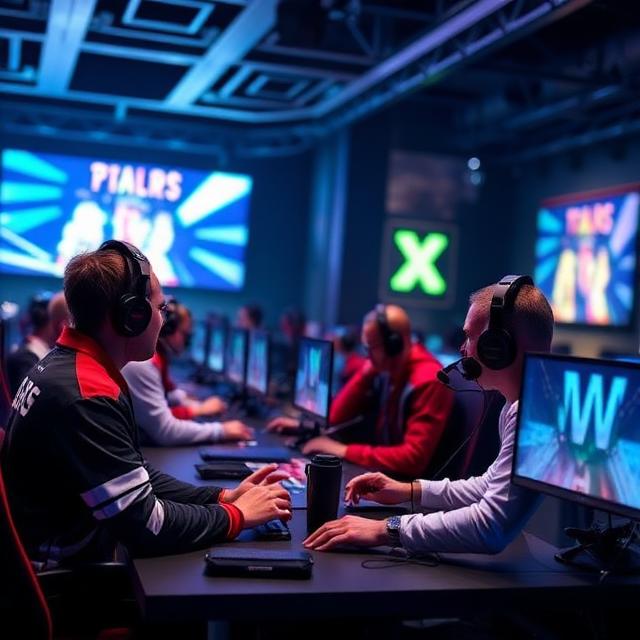
Over the past fifteen years, esports has undergone one of the most dramatic transformations in modern entertainment history. What began as informal competitions among passionate gamers has evolved into a structured, global industry supported by professional organizations, multinational sponsors, sold-out arenas, and multimillion-dollar prize pools. Competitive gaming is no longer a fringe activity—it is a mainstream cultural force that reflects how technology is reshaping competition, media consumption, and even career aspirations.At the center of this evolution are flagship titles such as League of Legends, Counter-Strike 2, Dota 2, and Valorant. These games anchor international leagues and annual world championships that attract millions of concurrent viewers. Major tournaments are broadcast in multiple languages, supported by professional analysts, commentators, and production crews comparable to traditional sports broadcasting teams. In some regions, esports finals rival or surpass conventional sporting events in digital viewership metrics.
What distinguishes esports from traditional sports is its digital-native ecosystem. Unlike football, basketball, or tennis—which adapted to streaming—esports was born online. Its audience is inherently global. A teenager in Europe can watch a championship match happening in Asia in real time, engage with fans worldwide through chat platforms, and follow professional players directly on social media. This level of interactivity fosters a uniquely engaged community. Viewers are not passive consumers; they are active participants in discussions, predictions, highlight sharing, and live reactions.
From a competitive standpoint, esports demands extraordinary technical skill and mental precision. Professional players train intensively—often practicing between six and ten hours daily—to refine mechanics, improve reaction speed, and strengthen team coordination. High-level matches are frequently decided by split-second decisions, precise execution, and advanced strategic planning. Teams review gameplay footage, analyze opponent tendencies, and simulate match scenarios in preparation for tournaments. The professionalism of modern organizations includes structured coaching, data analysis departments, sports psychology support, and increasingly, physical fitness programs designed to enhance stamina and concentration.
Economically, esports has expanded rapidly. Sponsorships now extend beyond gaming hardware companies to include automotive brands, financial services, apparel companies, and global technology firms. Franchised leagues have introduced revenue-sharing models aimed at long-term sustainability. Prize pools for certain championships reach into the tens of millions of dollars, elevating top players to celebrity status within gaming culture. At the same time, content creation—streaming, highlight channels, and social media engagement—creates parallel revenue streams that strengthen personal brands.
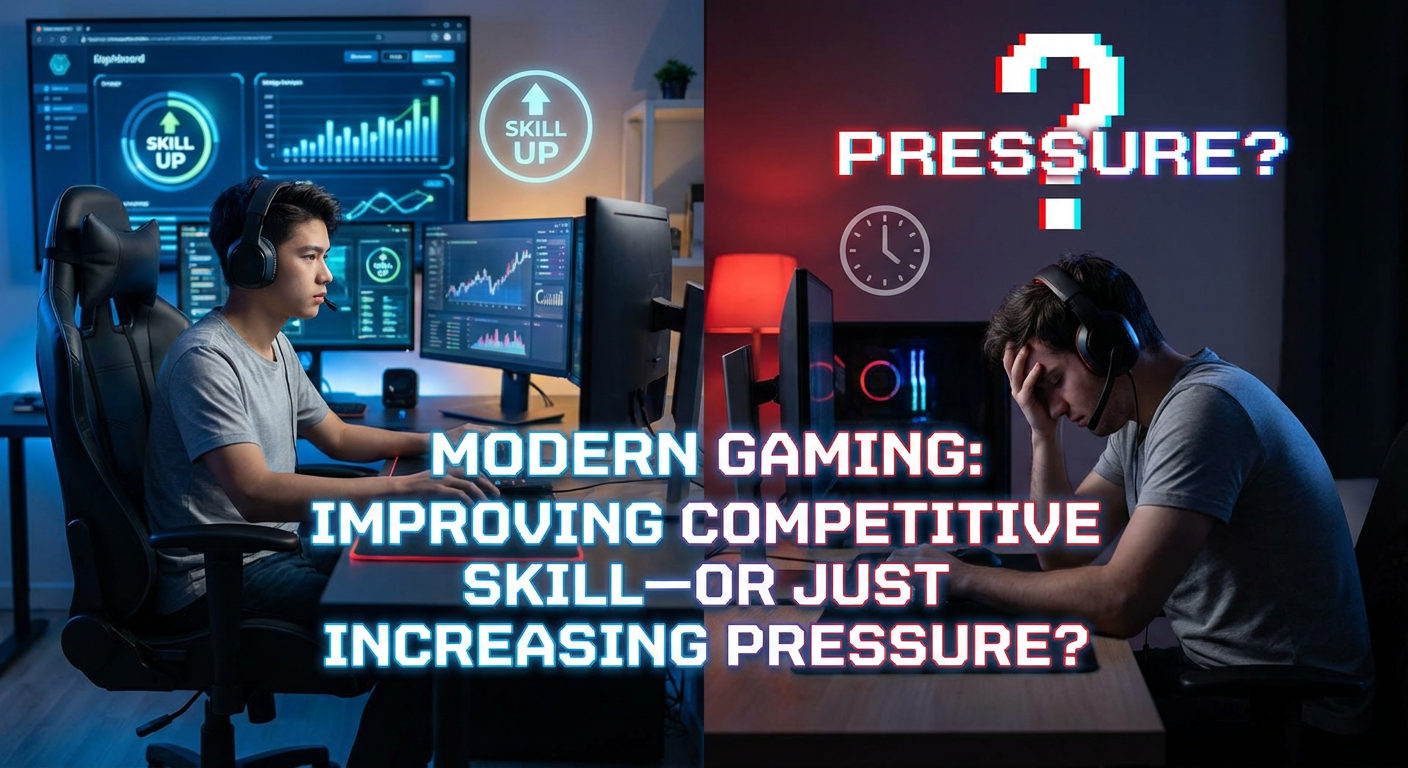
Yet despite its impressive growth, esports remains a developing ecosystem. Financial volatility still affects certain organizations. The industry’s reliance on game publishers means that rule changes, balance updates, or shifts in developer strategy can alter competitive landscapes overnight. Additionally, concerns about player burnout, contract transparency, and career longevity highlight the need for stronger structural safeguards.In 2026, esports stands at a pivotal stage—established enough to command global attention, yet still evolving in its business models and regulatory standards. It embodies the competitive spirit of sport, the creativity of digital culture, and the innovation of modern technology. This review evaluates the current state of esports, examining its strengths, limitations, and overall position within the broader entertainment industry.
Competitive gaming is no longer just about playing—it is about spectacle, strategy, storytelling, and global connection.