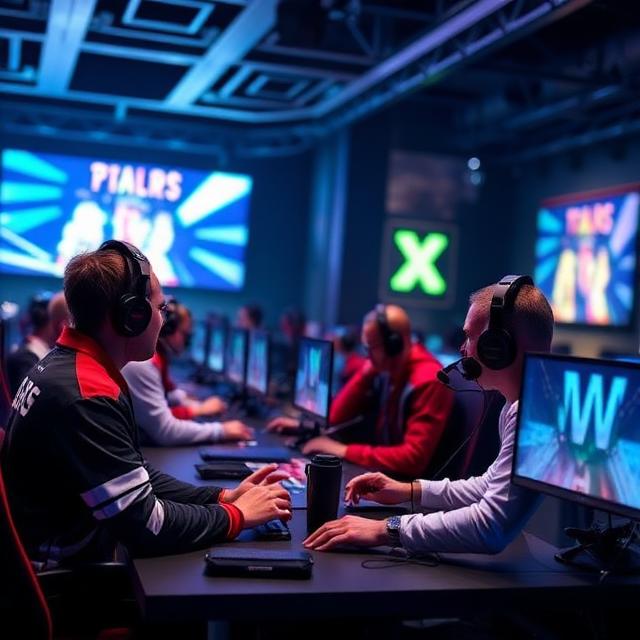
Esports has become a global phenomenon, transforming from small-scale online competitions held in internet cafés and community forums into a multi-billion-dollar industry with professional leagues, franchised teams, global sponsors, and millions of dedicated fans worldwide. What began as grassroots tournaments organized by passionate gamers has evolved into sold-out arena events, international championships with prize pools reaching tens of millions of dollars, and structured seasonal circuits comparable to traditional sports leagues. Competitive gaming is no longer a subculture—it is a central pillar of modern digital entertainment.
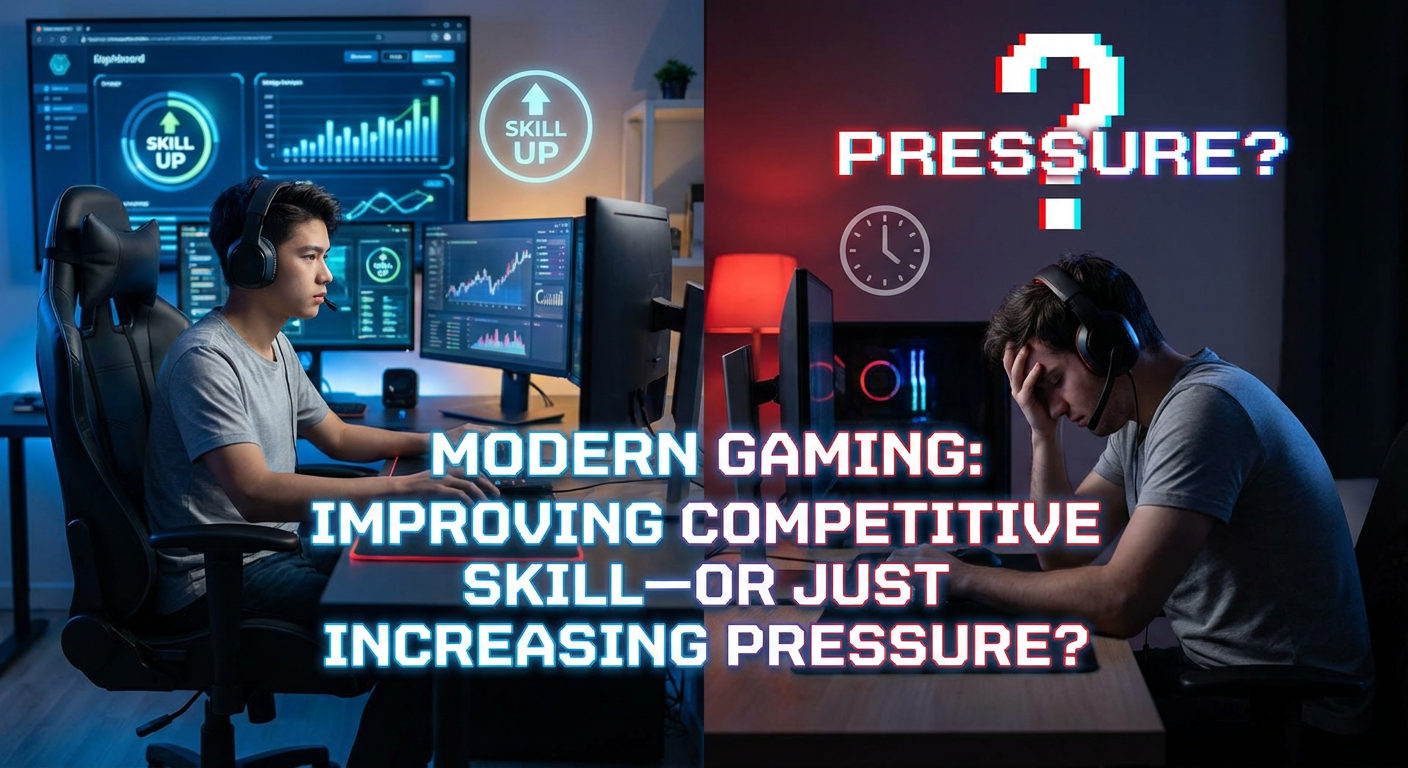
Major titles such as League of Legends, Valorant, and Counter-Strike anchor a competitive ecosystem that blends lightning-fast reflexes, strategic depth, teamwork, and mental endurance. These games are not merely recreational; at the highest level, they demand precision, adaptability, and split-second decision-making under intense pressure. Much like traditional athletes, top esports competitors train daily, review performance footage, analyze opponents’ strategies, and work closely with coaches, analysts, and performance psychologists. Mechanical skill refinement—such as aim training and reaction speed drills—is paired with tactical exercises focused on map control, communication efficiency, and coordinated team execution.
The rise of streaming platforms has accelerated esports’ global reach. Services like Twitch and YouTube Gaming have created a direct link between players and audiences, allowing fans to watch live matches, follow their favorite personalities, and interact through chat in real time. This interactivity differentiates esports from traditional sports broadcasting. Fans do not just consume content passively; they participate in discussions, memes, predictions, and community culture. Streamers and professional players often build personal brands alongside their competitive careers, expanding revenue opportunities through sponsorships, subscriptions, and merchandise.
Esports has also driven innovation in production and broadcasting. Modern tournaments feature advanced stage designs, augmented reality graphics, multilingual commentary teams, and data-driven analysis segments that break down gameplay for both casual viewers and hardcore fans. Event organizers experiment with hybrid digital and in-person formats, expanding accessibility across continents. Universities now offer esports scholarships, and high schools establish competitive programs, reflecting growing institutional recognition.
Economically, the industry supports a wide network beyond players themselves. Coaches, analysts, event organizers, marketers, content creators, and tech developers all contribute to the ecosystem. Sponsorship deals from global brands, media rights agreements, and franchise investments demonstrate strong commercial confidence in esports’ future potential.
However, the industry faces real challenges. Financial sustainability remains uncertain for some organizations that rely heavily on venture capital rather than consistent profitability. Publisher control over game titles creates centralized power structures, as developers can modify rules, formats, or competitive ecosystems at any time. Player burnout is another pressing concern; intense travel schedules, long practice hours, and constant performance pressure can take a psychological toll. Career longevity is often shorter than in traditional sports, making post-competition planning essential.
Despite these hurdles, esports continues to evolve rapidly. It reflects broader shifts in entertainment consumption, digital community building, and global connectivity. More than just gaming, esports represents a new form of competitive expression—one that blends technology, culture, and athleticism in ways uniquely suited to the digital age. As internet infrastructure improves and younger generations grow up immersed in gaming culture, esports is likely to expand even further, solidifying its place alongside traditional sports in global entertainment.