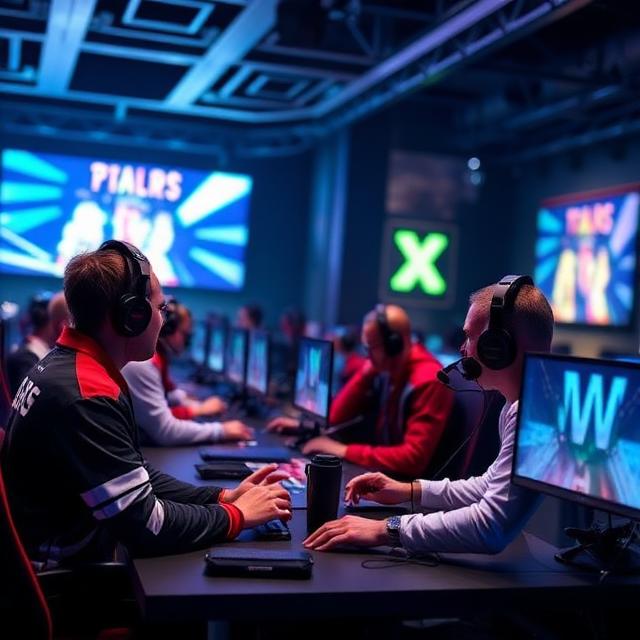
Over the past two decades, esports has transformed from a niche subculture into a global competitive powerhouse. What once began as small-scale tournaments hosted in internet cafés or community centers has evolved into packed stadium events, multimillion-dollar prize pools, and livestream audiences that rival traditional sports broadcasts. Major championships fill arenas in cities across Asia, Europe, and North America, while millions more tune in online to watch their favorite teams and players compete at the highest level. Sponsorship deals, franchise leagues, professional coaching staffs, and international rankings have become standard features of the ecosystem.
This meteoric rise has pushed esports into mainstream cultural consciousness—and sparked one of the most persistent debates in modern competition: Is esports truly a sport?At first glance, esports appears fundamentally different from traditional athletics. Players sit at computers or consoles, competing in virtual environments rather than on physical fields or courts. There are no sprinting races, no tackles, no visible displays of physical endurance in the conventional sense. For critics, this visual difference is decisive. Sport, in their view, must involve significant physical exertion, measurable strength, or athletic movement. Without those elements, competitive gaming belongs in the category of entertainment, not sport.
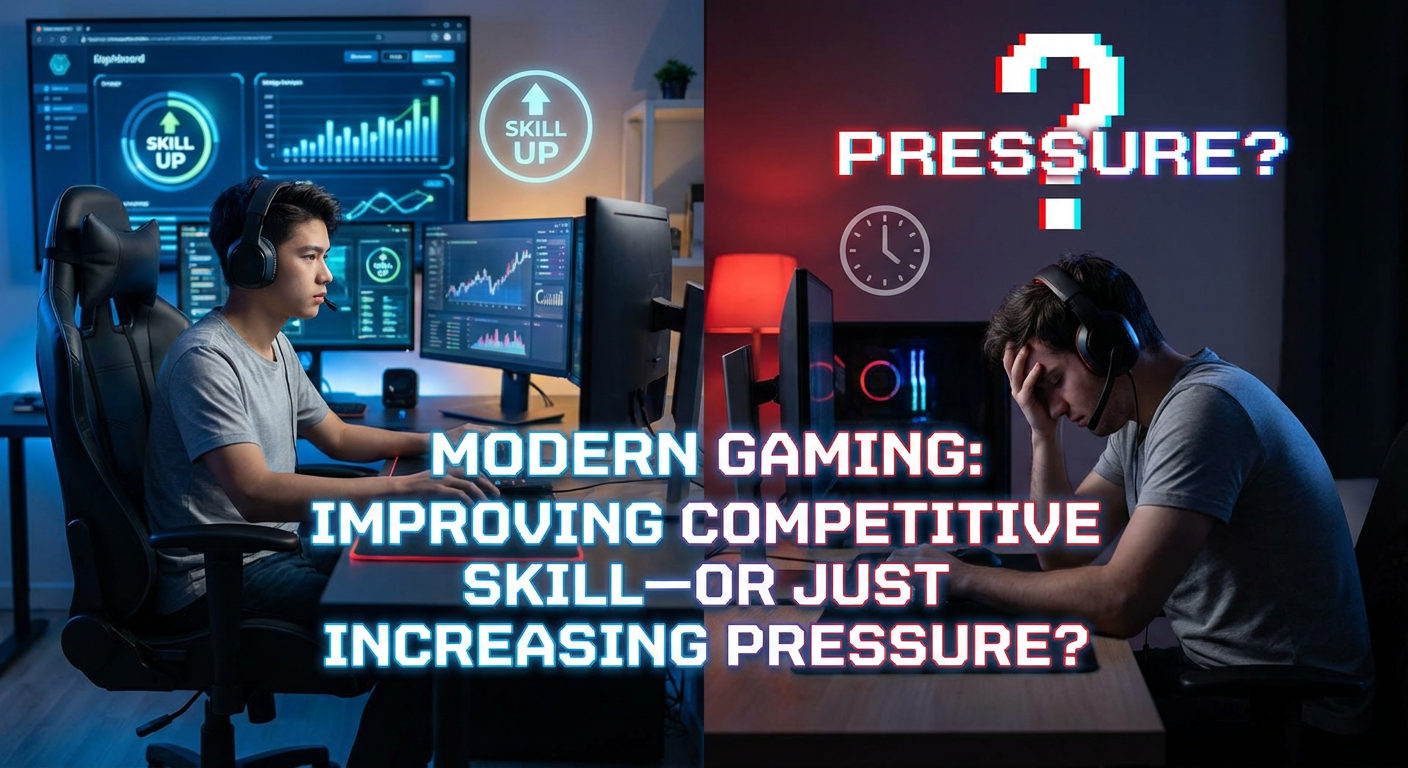
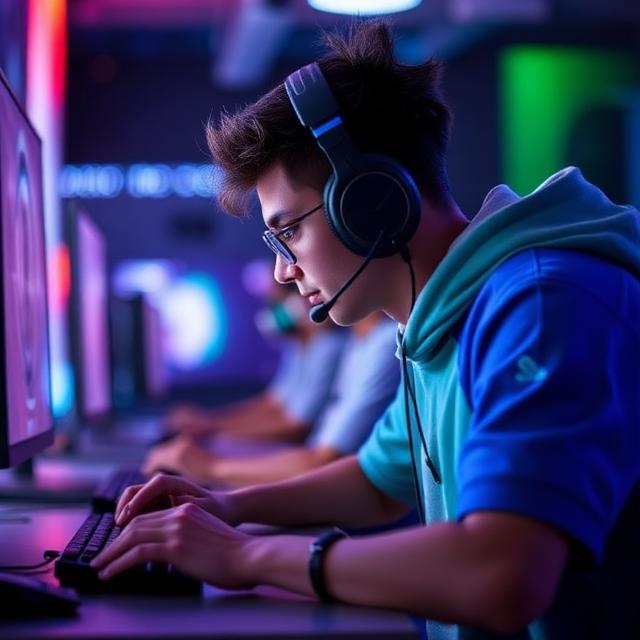
However, this perspective often underestimates the complexity and intensity of professional gaming. Elite esports players train with remarkable discipline. Many practice between six and ten hours per day, refining mechanical skills, reaction times, and team coordination. At the highest level, matches are decided by milliseconds, precise timing, and flawless execution under extreme pressure. Hand-eye coordination, strategic planning, rapid decision-making, and stress management are essential. Players must analyze opponents, adapt strategies in real time, and maintain focus for extended periods. The cognitive load is immense, and mistakes are punished instantly.
Moreover, the structure surrounding esports increasingly mirrors that of traditional sports organizations. Professional teams employ coaches, analysts, physical trainers, and sports psychologists. Players follow regimented practice schedules and maintain strict performance standards. International governing bodies oversee tournaments, enforce regulations, and manage competitive integrity. Universities now offer esports scholarships, and some governments officially recognize esports athletes. These institutional developments suggest that esports is not merely casual gaming—it is organized, professionalized competition.
The debate also reflects broader societal shifts. We live in an era where digital environments shape education, communication, and work. For younger generations raised in connected ecosystems, mastery of virtual systems can hold as much prestige as mastery of physical skills. Competitive arenas are no longer limited to stadiums; they exist in online platforms that transcend geography. In this context, the definition of sport itself may be evolving. Historically, certain activities such as chess or shooting have been recognized as sports despite prioritizing precision and mental acuity over cardiovascular exertion. This complicates rigid definitions based solely on physical intensity.
Beyond classification, the question carries practical implications. Recognition as a legitimate sport influences funding opportunities, youth development programs, health and training standards, and media coverage. It shapes public perception and determines whether parents, educators, and institutions view esports as a viable career path or merely a hobby. The outcome of this debate affects not just terminology, but the future structure of competitive gaming.
Ultimately, esports sits at the intersection of technology, culture, and competition. Its rapid expansion challenges long-standing assumptions about what it means to be an athlete and how skill should be measured. Whether one sees it as a revolutionary form of sport or a distinct category of digital competition, its global impact is undeniable. The conversation is not simply about semantics—it is about how society adapts to new forms of excellence in an increasingly digital world.