Versus Science, Tech & Future

AI Companions vs Human Connection: What Will Relationships Look Like in the Future?

by frisob · February 13, 2026

0 likes · Log in to react.
AI Companions vs Human Connection: What Will Relationships Look Like in the Future?

Technology has always shaped the way humans connect. From handwritten letters to instant messaging, from landlines to video calls, each innovation has altered not only how we communicate, but how we experience intimacy, friendship, and belonging. Today, we are entering a new and more complex phase of that evolution: the rise of AI companions.

AI chatbots, digital assistants, and virtual personalities are becoming increasingly sophisticated. Powered by advanced machine learning systems, they can hold conversations, remember preferences, adapt to emotional cues, and simulate empathy. What once felt like science fiction now feels like a preview of daily life. In some parts of the world, people already use AI companions for emotional support, productivity coaching, or simply to avoid loneliness.

At the same time, concerns are growing. As AI systems become more responsive and personalized, some fear they may begin to replace aspects of human interaction rather than complement them. Will people turn to artificial companions because they are easier, more predictable, and less emotionally risky than real relationships? Or will AI simply serve as a support tool that enhances human bonds rather than competes with them?

This debate is not just philosophical—it is practical. Loneliness has been described as a modern epidemic. Social media has connected billions, yet many report feeling more isolated than ever. In that context, AI companionship offers something appealing: constant availability, non-judgmental responses, and tailored interaction. There is no rejection, no conflict escalation, no complicated emotional negotiation.

But human relationships are complex for a reason. Growth often happens through misunderstanding, compromise, vulnerability, and shared lived experiences. Can a machine truly replicate that? Or does it risk flattening the emotional richness that defines humanity?

The future will likely not be binary. It will not be a world of either AI or humans—it will be a blended ecosystem. However, understanding the strengths and limitations of both sides is crucial. Are AI companions the next evolution of connection, or are they a shortcut that could weaken our social fabric?

Let’s explore both perspectives.
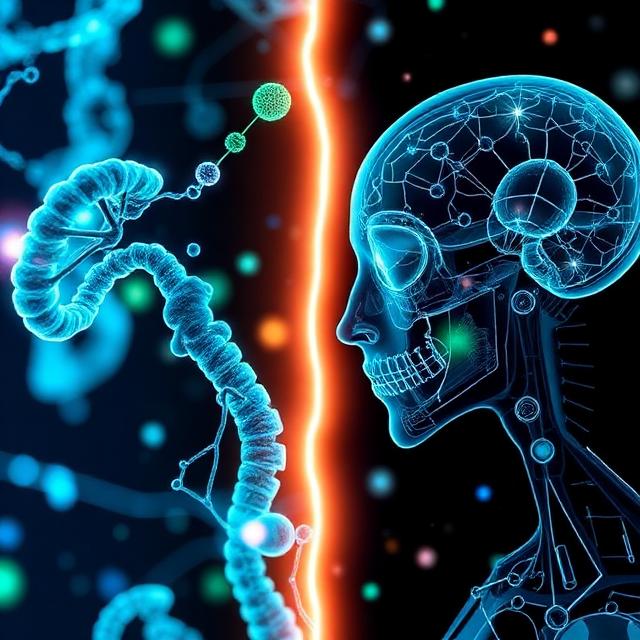

AI Companions as the Future of Emotional Support

1. Constant Availability

AI systems are available 24/7. They do not get tired, distracted, or emotionally overwhelmed. For people in different time zones or with irregular schedules, this consistency can provide comfort and stability.

2. Personalized Interaction

Advanced AI systems learn from previous conversations. They adapt tone, content, and suggestions based on user preferences. This creates a sense of being understood, even if the understanding is algorithmic.

3. Reduced Social Anxiety

For individuals who struggle with social anxiety, AI can serve as a low-pressure environment to practice conversation, build confidence, or simply feel heard without fear of judgment.

4. Scalability in Mental Health Support

In a world where access to mental health professionals is limited, AI tools may help bridge the gap by offering guided exercises, mood tracking, or supportive dialogue. While not a replacement for therapy, they can serve as an accessible supplement.

5. Emotional Safety

AI companions cannot betray trust or intentionally harm feelings. For some, that predictability is reassuring.

Human Connection as Irreplaceable

1. Authentic Emotional Reciprocity

Human relationships involve mutual emotional exchange. Real empathy comes from lived experience and genuine feeling, not programmed response patterns.

2. Growth Through Friction

Conflict, compromise, and disagreement are essential parts of personal development. AI companions are designed to be agreeable, which may limit opportunities for growth.

3. Physical Presence and Shared Experience

Humans bond through shared environments, physical touch, and nonverbal communication. These sensory layers cannot be fully replicated digitally.

4. Social Skill Development

Relying heavily on AI for interaction could weaken real-world communication skills, particularly among younger generations still developing social confidence.

5. Ethical and Privacy Concerns

AI systems require data to personalize interactions. This raises questions about emotional data privacy, security, and potential misuse

Log in to vote for a side.
AI Companions as the Future of Emotional Support: 0% (0)
Human Connection as Irreplaceable: 0% (0)

Total votes: 0

Change your mind? Just click the other side's vote button.

Comments
No comments yet. Be the first to jump in.
Log in to join the discussion.