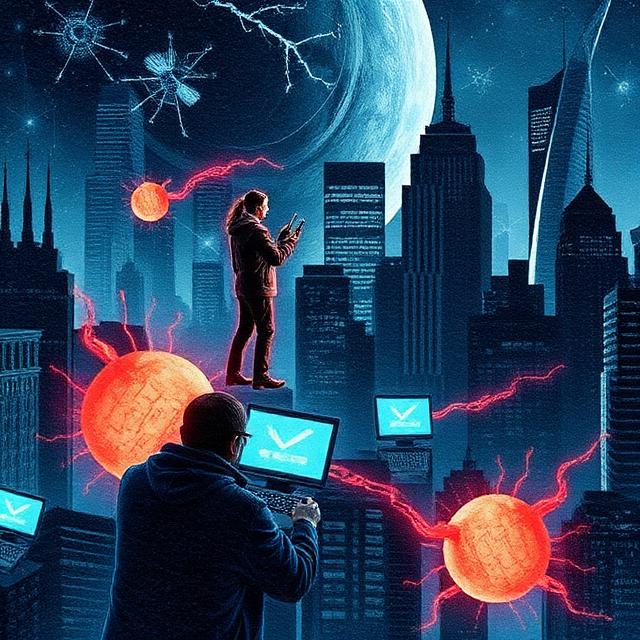
The internet has transformed the way stories spread, creating a new digital folklore that evolves faster than ever before. In this environment, two forms of storytelling dominate: urban legends and viral myths. Both capture our attention, spark debate, and influence behavior—but they do so in very different ways. Urban legends often have deep roots in culture and history, originating from cautionary tales, mysteries, or humorous anecdotes that have been passed down through generations. They are narratives that feel familiar yet uncanny, grounded in everyday life but tinged with exaggeration. Over time, details shift slightly, adapting to new contexts while retaining their core message, whether it is to warn, entertain, or provoke curiosity. These stories thrive on plausibility, the sense that “this could happen to you,” which gives them staying power and enduring appeal.
Viral myths, by contrast, are a distinctly modern phenomenon. Born in the digital age, they spread explosively through social media, messaging apps, and online communities. They often tie directly to current events, trending topics, or shocking images and headlines, crafted—intentionally or not—for rapid attention and maximum shares. Unlike urban legends, viral myths rarely develop slowly or evolve over decades; their lifecycle is measured in hours or days. The goal is immediate impact, often at the expense of accuracy or context. They rely on human psychology—our fascination with surprise, fear, or awe—to trigger sharing, creating a chain reaction that can turn a minor story into an online sensation overnight.
Both urban legends and viral myths reveal much about our collective mindset. They reflect our curiosity, our desire to warn or advise others, and our craving for stories that elicit strong emotions. They also highlight the tension between credibility and virality, between long-term cultural memory and fleeting digital attention. Urban legends endure, slowly embedding themselves into the cultural consciousness, while viral myths dominate short-term online chatter, leaving scattered traces that fade as quickly as they appear.
The debate between the two forms of storytelling is more than an academic exercise—it is a lens through which we can examine how humans process information, assess risk, and find entertainment in the extraordinary. By exploring the mechanics, appeal, and impact of both, we gain insight into how narratives shape behavior, spread ideas, and influence perception in a world increasingly dominated by digital communication.