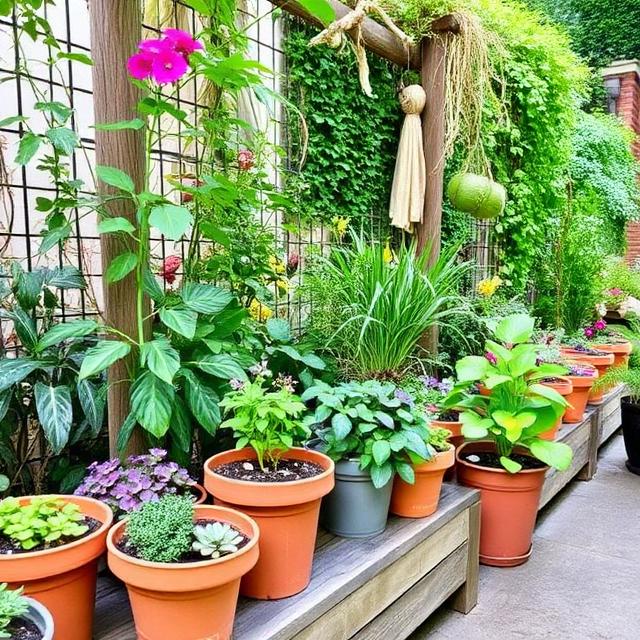
Urban gardening has emerged as a vibrant and increasingly influential trend in cities across the globe, transforming balconies, rooftops, backyards, and even underutilized vacant lots into thriving green spaces. As urban populations continue to swell—with more than half of the world’s population now living in cities—the desire to reconnect with nature and create pockets of greenery within concrete environments has grown exponentially. Beyond mere aesthetic appeal, urban gardening represents a multifaceted practice that intersects sustainability, health, community, and education. For many city dwellers, cultivating plants and vegetables offers not only tangible rewards like fresh produce but also psychological benefits such as stress relief, mindfulness, and a sense of accomplishment. The act of tending to plants can provide a meditative routine, helping individuals navigate the pressures of fast-paced urban life and digital overload.
Environmental sustainability is one of the most compelling drivers of the urban gardening movement. By growing food locally, city gardeners reduce dependence on long supply chains, effectively cutting down on transportation emissions and energy use. Urban gardens also encourage composting and the reuse of organic waste, which diverts material from landfills and enriches soil quality. Innovative approaches, such as vertical gardens and hydroponic systems, maximize limited space while fostering biodiversity by attracting pollinators and supporting micro-ecosystems within cityscapes. These practices not only enhance the ecological health of urban areas but also educate residents about responsible stewardship and sustainable food production.
Community engagement is another significant advantage of urban gardening. Neighborhood gardens and cooperative plots foster social interaction, collaboration, and cultural exchange. In many cases, urban gardening projects become centers for learning, offering workshops on topics ranging from horticulture to nutrition and environmental conservation. They provide safe, inclusive spaces where children and adults alike can engage with nature, develop practical skills, and form meaningful connections with neighbors. In addition, gardens often serve as catalysts for healthier lifestyles. Access to fresh, homegrown fruits, vegetables, and herbs can improve dietary habits, support local food resilience, and inspire individuals to experiment with cooking and nutrition in new ways.
Despite its many benefits, urban gardening faces notable challenges. Limited space is a primary constraint in densely populated areas, often requiring innovative solutions like rooftop gardens, vertical farming, or container planting. Pollution, particularly air and soil contamination, poses risks to plant health and food safety, necessitating careful monitoring and sometimes costly interventions. Maintaining a successful urban garden also demands consistent care, attention to seasonal cycles, and knowledge of local climate conditions—factors that can discourage beginners or busy residents from sustaining their efforts over the long term.
Nevertheless, urban gardening continues to grow in popularity, reflecting a creative and proactive approach to city living. It represents more than a hobby; it is a lifestyle choice that combines environmental responsibility, personal well-being, and community-building. By integrating greenery into urban infrastructure, city planners, policymakers, and residents have the opportunity to transform concrete landscapes into healthier, more sustainable, and visually inspiring environments. This review examines the rise of urban gardening, analyzing its ecological impact, social and psychological benefits, practical challenges, and future potential to reshape the urban experience for generations to come.