The spaces we inhabit and the routines we keep are more than just background noise; they are mirrors of our internal psychological landscape. The arrangement of our furniture, the objects on our shelves, even the colors on our walls subtly influence how we think, feel, and behave. Our environments can either calm our nervous system or overstimulate it, inspire focus or encourage distraction. In that sense, lifestyle design is never purely aesthetic—it is deeply psychological.
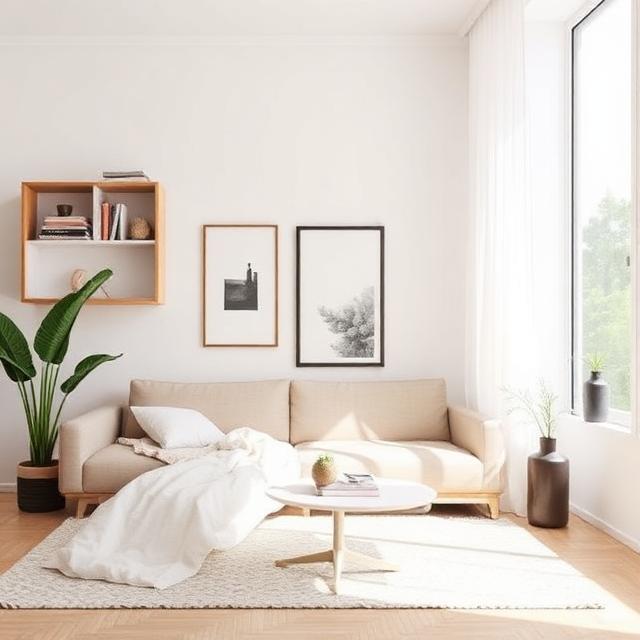
For the past decade, the self-improvement world has been heavily influenced by the “less is more” philosophy of minimalism. Popular figures like Marie Kondo and Joshua Fields Millburn have persuaded millions that decluttering is not just about tidying up, but about reclaiming mental clarity. The core premise is compelling: every object in our field of vision competes for cognitive attention. By reducing physical clutter, we reduce decision fatigue, visual noise, and emotional weight. A simplified wardrobe reduces daily choices. A clean desk reduces mental friction. A neutral, open space can feel like a blank canvas for intentional living. Minimalism promises tranquility through subtraction.
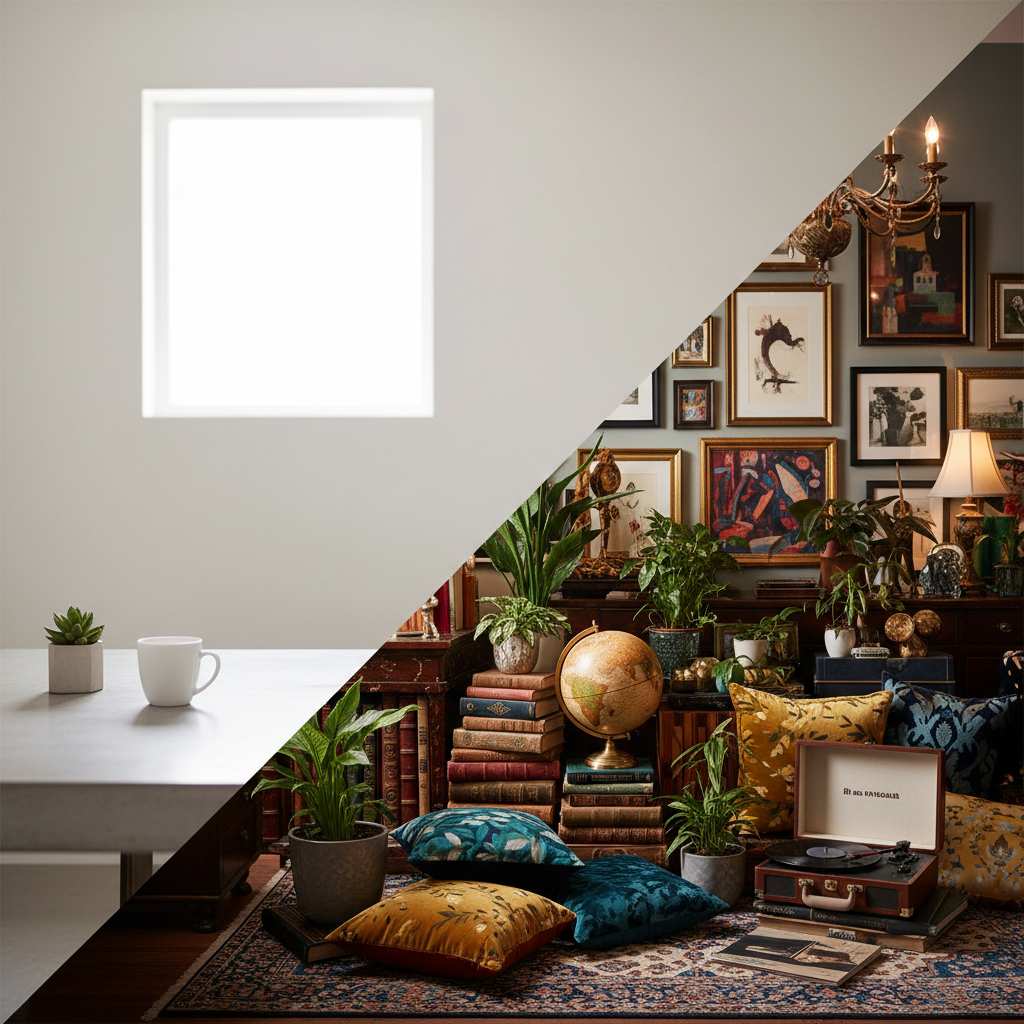
Yet as minimalism became mainstream, a counter-movement quietly began to reassert itself. Maximalism—often dismissed as excess or indulgence—is being reframed as an intentional celebration of personality, history, and sensory richness. Rather than viewing objects as burdens, maximalists see them as storytellers. A crowded bookshelf reflects curiosity. Layered textures create warmth. Art, souvenirs, heirlooms, and bold colors build an environment saturated with memory and meaning. In contrast to minimalism’s pursuit of calm through emptiness, maximalism seeks vitality through abundance.
Importantly, maximalism is not synonymous with mindless consumption. At its best, it is curated abundance—surrounding oneself with items that genuinely resonate. Supporters argue that creative stimulation often thrives in visually dynamic spaces. Designers, writers, and artists frequently describe how layered environments spark associative thinking and imaginative flow. Where minimalism reduces stimuli to preserve focus, maximalism increases stimuli to fuel inspiration.
Choosing between these lifestyles is not merely about décor preferences—it reflects how you process information and derive emotional comfort. Some individuals feel grounded in open, quiet spaces that allow thoughts to unfold without interruption. Others feel energized and secure when surrounded by symbols of identity and experience. In an age defined by digital overload and constant notifications, minimalism offers a retreat into physical simplicity, a way to counterbalance virtual chaos. Meanwhile, maximalism provides a tactile antidote to digital flatness—textures, colors, and tangible memories in a screen-dominated world.
Both philosophies claim to enhance mental clarity, yet they operate through opposite mechanisms. Minimalism quiets the external environment to soothe the internal one. Maximalism enriches the external environment to stimulate the internal one. Neither is universally superior; both carry psychological benefits and practical trade-offs, from cleaning demands to emotional attachment patterns.
In the following comparison, we’ll explore these nuances more deeply—examining not only aesthetics, but the cognitive, emotional, and lifestyle implications of each approach—so you can determine which philosophy best supports your goals for growth, productivity, and genuine well-being in the modern world.