Modern self-improvement has increasingly shifted toward intentional living, a mindset that encourages individuals to consciously evaluate their habits, environments, relationships, and long-term goals. Rather than drifting through routines shaped by consumer culture or social expectations, intentional living asks a fundamental question: does this add value to my life? Within this broader movement, two dominant lifestyle philosophies have emerged—minimalism and maximalism. Although they appear to stand in direct opposition, both claim to enhance well-being, productivity, and self-awareness in different ways.
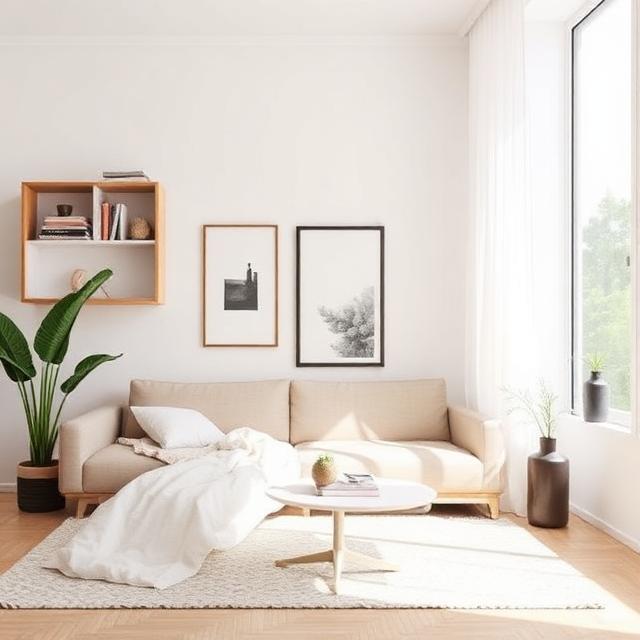
Minimalism centers on simplicity, clarity, and the deliberate removal of excess. It promotes decluttering physical spaces, reducing unnecessary commitments, and prioritizing only what serves a meaningful purpose. Advocates argue that modern life overwhelms individuals with choices, notifications, possessions, and distractions, all of which fragment attention and increase stress. By intentionally reducing material and digital clutter, minimalism seeks to lower decision fatigue and create mental space for deeper focus. Clean lines, neutral tones, and functional design often characterize minimalist environments, reinforcing a sense of calm and order.
High-profile figures such as Marie Kondo have helped popularize this philosophy, encouraging people to keep only items that “spark joy.” The psychological appeal is clear: an organized environment can foster emotional stability, reduce anxiety, and support productivity. Research in environmental psychology suggests that cluttered spaces may contribute to cognitive overload, while simplified surroundings can improve concentration and promote a sense of control. For many, minimalism is not just about aesthetics but about reclaiming time and energy from material excess.
Maximalism, in contrast, embraces abundance, personality, and expressive richness. Rather than removing possessions, maximalism encourages intentional accumulation—surrounding oneself with art, books, colors, textures, and objects that reflect identity and passion. It rejects the idea that simplicity is inherently superior and instead argues that vibrancy and sensory stimulation can energize creativity. A maximalist space may feel layered, colorful, and deeply personal, filled with souvenirs, collections, and bold design choices.
Proponents of maximalism suggest that meaningful objects carry emotional memory and narrative power. Family heirlooms, travel artifacts, artwork, and carefully curated décor can strengthen a sense of belonging and continuity. Psychologically, these environments may stimulate inspiration and self-expression, particularly for individuals who thrive on visual richness. Rather than reducing external stimuli, maximalism channels it into curated abundance.
Interestingly, both philosophies aim to improve mental clarity—but through opposite mechanisms. Minimalism quiets the environment to reduce distractions, while maximalism energizes it to spark imagination. The effectiveness of either approach often depends on personality traits, professional demands, and emotional needs. An entrepreneur seeking intense focus may benefit from a minimalist workspace, while an artist might draw motivation from a maximalist studio filled with visual prompts.
Adopting either lifestyle requires introspection. Individuals must evaluate how their surroundings influence mood, stress levels, and productivity. Practical considerations also matter. Minimalism may require sustained discipline to prevent accumulation, while maximalism demands thoughtful curation to avoid chaos. Financial implications differ as well—minimalism often reduces consumption, whereas maximalism may involve intentional investment in décor and collectibles.
Long-term sustainability hinges on balance. Extreme minimalism can feel sterile or restrictive, while unchecked maximalism can lead to clutter and overwhelm. Ultimately, both philosophies offer tools for intentional living rather than rigid rules. By understanding personal preferences and psychological responses to space, individuals can design environments that support clarity, creativity, and long-term well-being.

