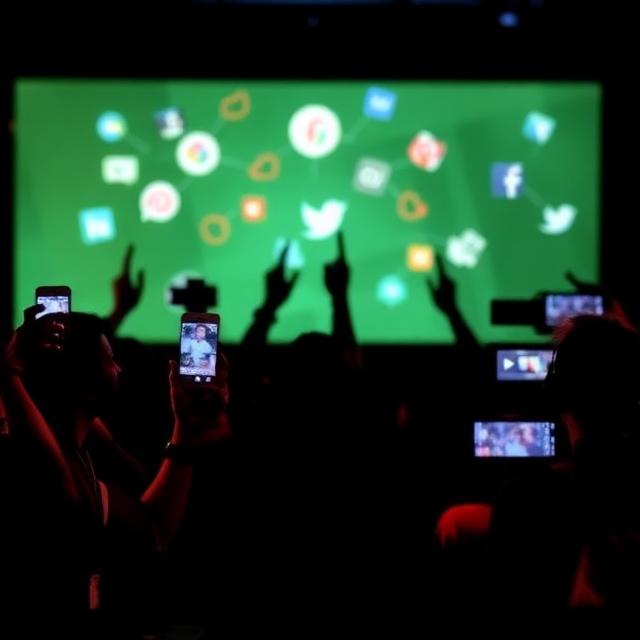
Over the last fifteen years, social media has transformed from a communication tool into one of the most influential forces shaping political discourse and civic engagement worldwide. Platforms such as Facebook, X, Instagram, and TikTok have redefined how citizens access information, express opinions, and interact with political leaders. What once depended on newspapers, television broadcasts, and formal debates now unfolds in real time on digital feeds. The political arena has expanded beyond parliaments and press conferences into comment sections, livestreams, and viral posts.
This transformation has significantly altered the structure of modern democracy. On one hand, social media has democratized information. Individuals can share perspectives instantly, mobilize support for causes, and challenge institutional narratives without requiring traditional media access. Grassroots movements have gained global visibility through hashtags and viral campaigns. Political leaders communicate directly with constituents, bypassing journalistic filters. Civic participation, particularly among younger generations, has found new digital entry points.At the same time, this accessibility introduces new vulnerabilities. The rapid spread of misinformation, algorithm-driven echo chambers, and emotionally charged content can distort public debate. Social media algorithms often prioritize engagement over accuracy, amplifying sensational or polarizing posts. As a result, political discourse may become fragmented, reinforcing ideological divisions rather than fostering constructive dialogue. The very tools that enable widespread participation can also undermine trust in democratic institutions.
Another critical dimension is the shift in media power. Traditional journalism once acted as a gatekeeper, verifying information before dissemination. Today, anyone with an internet connection can produce political content. While this encourages plurality of voices, it also complicates fact-checking and accountability. False narratives can circulate widely before corrections reach audiences. Moreover, political actors increasingly use targeted advertising and data analytics to influence voter behavior, raising ethical concerns about transparency and privacy.
Social media has also redefined political campaigning. Election strategies now include digital outreach teams, influencer collaborations, and real-time response units. Political messaging is tailored to specific demographics through algorithmic targeting. This micro-targeting increases campaign efficiency but raises questions about manipulation and fairness. The boundary between civic engagement and political marketing grows increasingly blurred.
Despite these concerns, social media has undeniably increased political visibility. Marginalized groups, activists, and independent voices now have platforms that were previously inaccessible. International awareness of social issues can spread within hours, mobilizing support across borders. In many regions, digital activism has contributed to tangible political change.
The central challenge lies in balance. Social media is neither inherently democratic nor inherently destructive—it reflects how it is used, regulated, and understood by society. Governments grapple with regulating content without infringing on free expression. Technology companies face pressure to moderate harmful content while preserving open dialogue. Citizens must develop media literacy skills to navigate complex information ecosystems.In reviewing the relationship between social media and modern democracy, it becomes clear that this digital transformation is ongoing. The platforms that connect billions of people also shape political narratives, influence public opinion, and redefine civic participation. The question is not whether social media affects democracy—it undeniably does—but whether societies can harness its strengths while mitigating its risks.