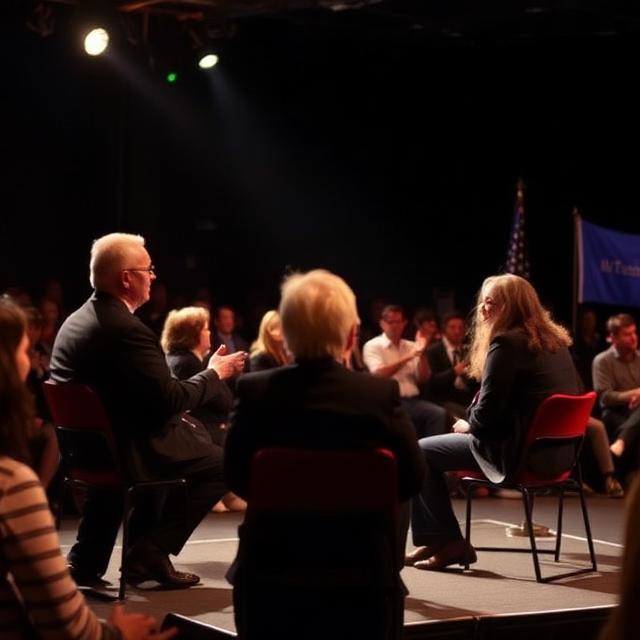
Political conversation used to happen in town halls, classrooms, living rooms, and long-form interviews. While disagreements were always present, there was at least an expectation—however imperfect—of dialogue. Today, much of political discourse unfolds on social media feeds, livestreams, short video clips, and televised debates that are carefully edited for maximum impact. This shift has raised an important question: has political discussion transformed into performance?
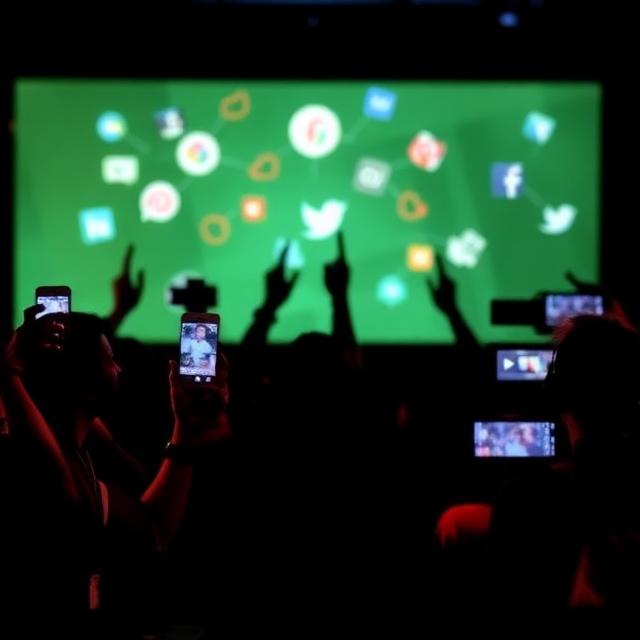
Modern platforms reward visibility. The more emotionally charged a statement is, the more likely it is to be shared. Outrage spreads faster than nuance. Bold declarations outperform careful explanations. In this environment, politicians, commentators, and even everyday users may feel incentivized to prioritize viral moments over thoughtful exchange.
Short-form content plays a significant role in this transformation. Complex policy issues—healthcare reform, economic inequality, climate regulation, immigration systems—are reduced to soundbites under a minute long. While brevity can make information accessible, it can also strip away necessary context. Viewers are often left with simplified narratives that reinforce existing opinions rather than encouraging deeper understanding.
Another contributing factor is audience fragmentation. Algorithms tend to show users content aligned with their past interactions. Over time, this can create digital environments where people are primarily exposed to perspectives similar to their own. In such spaces, political expression becomes less about persuading opponents and more about signaling loyalty to one’s group. Statements are crafted not to convince across differences, but to energize a base.
This dynamic can shift incentives for public figures. Instead of asking, “How can I solve this issue?” the more strategic question becomes, “How can I frame this issue in a way that strengthens my support?” Performance becomes currency. Metrics such as views, likes, and shares function as visible indicators of influence.
However, it would be too simple to conclude that all modern political discourse lacks substance. Digital platforms have also democratized participation. People who once had limited access to public forums can now voice opinions, organize movements, and hold leaders accountable. Grassroots activism has gained momentum through online mobilization. Marginalized communities have found platforms to share experiences that were previously overlooked.
The tension lies in the balance between amplification and oversimplification. When performance dominates, complex issues become polarized narratives. When dialogue prevails, disagreement can lead to refinement of ideas rather than entrenchment.
Another concern is emotional fatigue. Constant exposure to heated political content can create a sense of urgency and anxiety. When every issue is framed as existential and immediate, constructive problem-solving may give way to reactive engagement.
Ultimately, the transformation of political discourse reflects broader cultural shifts in communication. Speed, visibility, and emotional impact define the digital age. The challenge for society is to preserve space for slow thinking within fast systems.
The future of political conversation may depend on whether citizens demand more substance than spectacle—and whether platforms can evolve to reward depth alongside engagement. Dialogue requires patience. Performance requires an audience. The question is which one we are choosing to encourage.