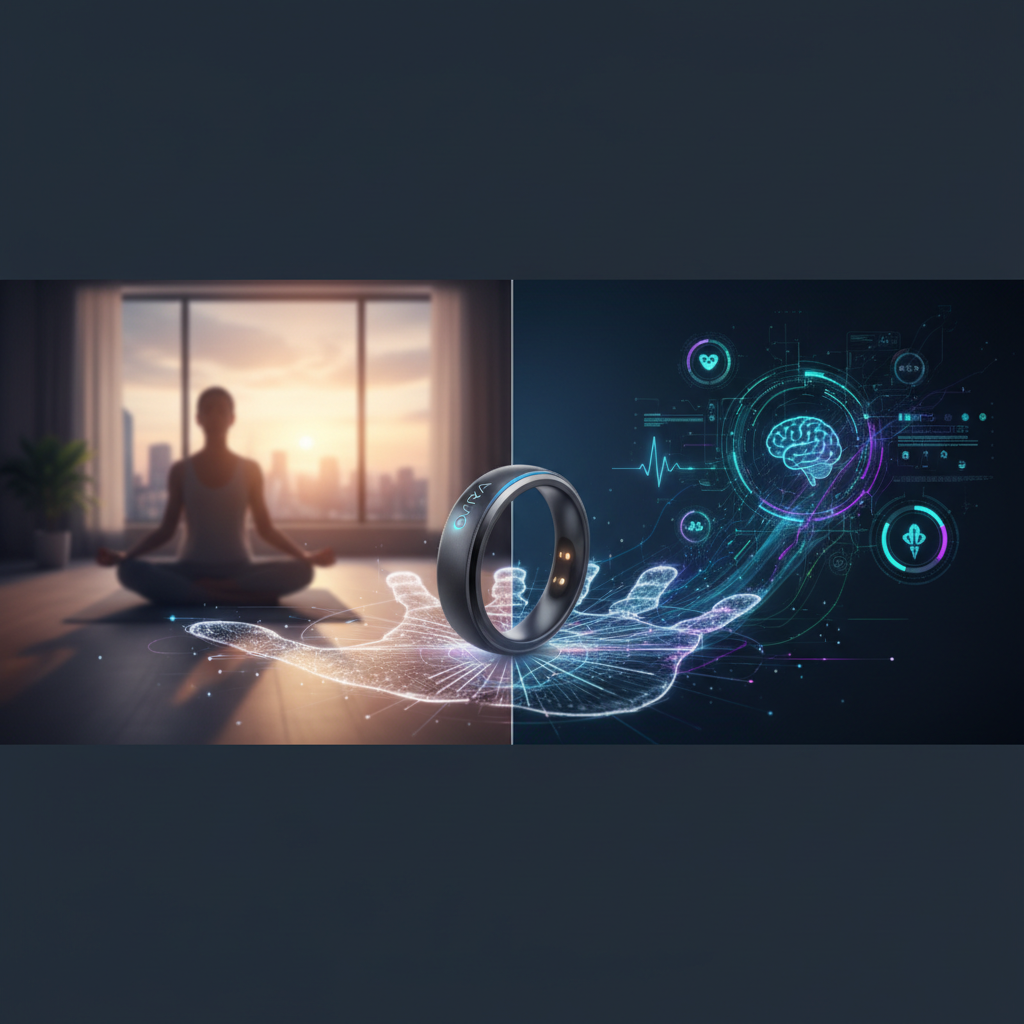
In the modern landscape of lifestyle optimization and self-improvement, the quest for peak performance often feels like an uphill battle against invisible forces. We struggle with midday fatigue, inconsistent sleep patterns, and the nagging suspicion that our 'healthy' habits aren't actually yielding results. Enter the Oura Ring Generation 3, a sleek piece of titanium jewelry that promises to demystify the inner workings of our bodies through continuous data monitoring. Unlike bulky smartwatches that scream 'fitness tracker' and demand your attention with buzzing notifications, the Oura Ring takes a more Stoic approach. It sits quietly on your finger, collecting a goldmine of biometric data—heart rate variability (HRV), body temperature trends, blood oxygen levels, and respiratory rates—to tell a story about your readiness for the day. For the past six months, I have integrated this device into my daily routine to see if it truly lives up to the hype or if it is simply an expensive mood ring for the Silicon Valley set. What I discovered was a fundamental shift in how I perceive 'rest.' Most fitness trackers focus on how much you move; Oura focuses on how well you recover. This nuance is the cornerstone of the self-improvement philosophy it promotes: the idea that you cannot push your body to its limits without first understanding its baseline. The app interface is a masterclass in clean design, distilling complex physiological data into three daily scores: Sleep, Readiness, and Activity. The 'Readiness' score has become my morning oracle. By measuring my HRV and sleep quality, it tells me whether I should tackle a high-intensity interval training session or opt for a gentle walk and a nap. This data-driven permission to rest is revolutionary for those of us caught in the toxic cycle of 'no pain, no gain.' Over time, I began to see clear correlations between late-night snacks and poor sleep quality, or how even a single glass of wine would tank my HRV for the next 24 hours. This immediate feedback loop creates a powerful psychological incentive to make better lifestyle choices. Furthermore, the integration of features like cycle tracking and stress monitoring has turned the Oura from a simple sleep tracker into a comprehensive wellness companion. It doesn't just track data; it provides context. If your temperature spikes, the app might suggest you’re getting sick before you even feel a sniffle. In a world where we are often disconnected from our physical sensations due to digital distractions and high-stress environments, the Oura Ring acts as a bridge back to bodily intuition. It transforms the abstract concept of 'wellness' into a set of actionable metrics. However, this level of insight comes with a subscription-based model and a premium hardware price tag, forcing users to weigh the financial cost against the potential for lifestyle transformation. After half a year of wear, the impact on my daily productivity and emotional regulation has been palpable, making it perhaps the most influential tool in my self-improvement arsenal.
Review
Lifestyle & Self-Improvement
Review: The Oura Ring Gen3 - Can Wearable Tech Actually Change Your Life?
by frisob · February 11, 2026
0 likes
· Log in to react.
Rating
4/5
Posted: February 11, 2026
Pros
- Discreet and elegant design that fits any outfit.
- Industry-leading sleep tracking accuracy and detailed REM/Deep sleep stages.
- The Readiness Score helps prevent burnout and overtraining.
- Exceptional battery life lasting 4 to 7 days on a single charge.
- Seamless integration with Apple Health and Google Fit.
Cons
- Monthly subscription fee required to access detailed data insights.
- Titanium finish is prone to scratching over time with heavy use.
- Not ideal for tracking heavy lifting or gym workouts due to grip discomfort.
- Sizing process requires a specific kit and can be a bit tedious.
Conclusion
The Oura Ring Gen3 is an exceptional tool for anyone serious about the 'self' in self-improvement. It shifts the focus from mindless activity to intentional recovery, providing the data necessary to make profound lifestyle changes. While the subscription model is a drawback, the insights gained into sleep hygiene and stress management are, for many, worth every penny. It is less of a gadget and more of a digital coach for your finger
Was this helpful?
Average rating: No ratings yet
Average rating: No ratings yet
Log in to rate how helpful this was.
Comments
No comments yet. Be the first to jump in.
Log in to join the discussion.
Post Info
Other posts you may like
-
How to Plan a Memorable Weekend Trip on a Tight Budget
Howto · July 21, 2026 -
Which everyday convenience would be hardest to give up for a full year?
Poll · July 21, 2026 -
What single quality makes a neighborhood truly feel like home?
Poll · July 21, 2026 -
 Minimalism vs Maximalism: Lifestyle Choices in 2026
Review · February 14, 2026
