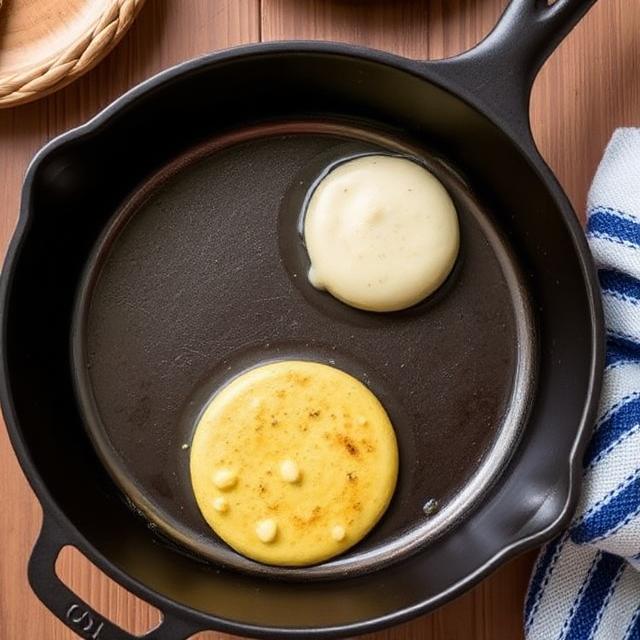
There is a specific kind of romanticism attached to the heavy, blackened thud of a cast iron skillet hitting a stove grate. In an era where "planned obsolescence" is the blueprint for manufacturing, and your $100 ceramic-coated "always" pan will likely lose its non-stick soul in eighteen months, there is something profoundly rebellious about cooking with a hunk of melted ore that looks exactly like the one your great-grandmother used to fry chicken during the Depression. Today, I’m deep-diving into the undisputed heavyweight champion of the American kitchen: the **Lodge 12-Inch Cast Iron Skillet**.To understand why this specific piece of iron deserves a 600-word preamble, you have to understand the current landscape of kitchenware. We are currently living through a "tactical kitchenware" phase. Startups are popping up every week on Instagram, promising "aerospace-grade" non-stick surfaces or "lightweight carbon steel" that supposedly performs better than iron. They come in pastel colors with gold-toned handles, and they cost as much as a car payment. But here’s the cold, hard truth: none of them can sear a ribeye like a Lodge.I bought my first Lodge 12-inch skillet at a hardware store for about twenty-five bucks. At the time, I was a broke college student who just wanted to make decent hash browns. I didn't realize I was buying a lifetime companion. For the uninitiated, Lodge is an American institution, casting iron in South Pittsburg, Tennessee since 1896. Unlike the boutique, polished cast iron brands like Butter Pat or Smithey—which are gorgeous but can cost upwards of $200—Lodge is the "blue-collar" hero. It’s textured, it’s heavy, and it’s unpretentious.
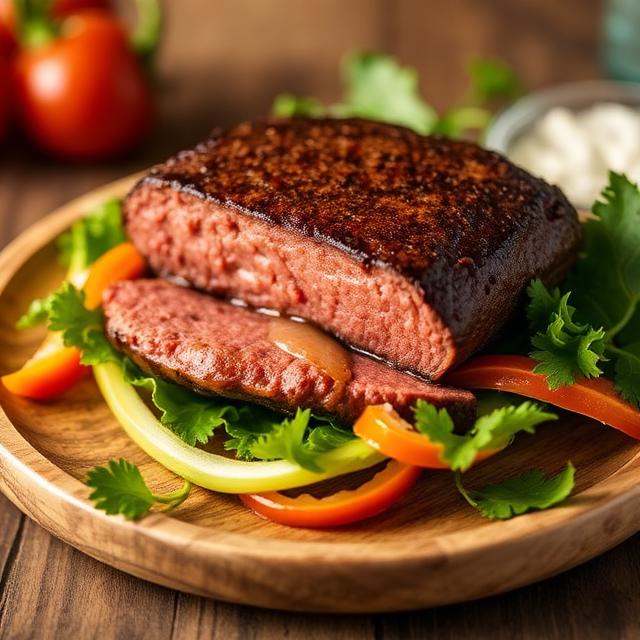
The magic of the Lodge 12-inch lies in its thermal mass. When you drop a cold, thick-cut steak into a stainless steel pan, the temperature of the metal plummets. When you drop that same steak into a pre-heated Lodge, the iron barely flinches. It holds onto heat with a stubbornness that is almost frightening. This is the secret to the "Maillard reaction"—that glorious, deep brown crust that transforms a piece of meat from "home-cooked" to "steakhouse quality."However, we need to address the elephant in the room: the "fear" of cast iron. For decades, a myth has persisted that these pans are high-maintenance divas that will rust if you look at them wrong or "ruin" if you use a drop of Dawn dish soap. Let me set the record straight: you cannot kill this pan. I have left mine in the rain, I have scrubbed it with chainmail, and I have used it over a literal campfire. Every single time, a thin coat of oil and a quick session on the burner restores it to its former glory. The "seasoning" everyone obsesses over isn't a fragile coating; it’s polymerized fat that becomes a part of the metal itself. The more you use it, the better it gets. While your Teflon pans are degrading and leaking chemicals into your eggs, your Lodge is getting slicker, darker, and more non-stick with every pound of bacon you fry.
This 12-inch model is the "Goldilocks" of the lineup. The 10-inch is great for a couple of eggs, but it feels cramped for a spatchcocked chicken. The 15-inch is a beast that requires two hands and a gym membership to move. But the 12-inch? It’s the workhorse. It bridges the gap between a breakfast pan and a roasting dish. It is the vessel for cornbread, the savior of the Tuesday night stir-fry, and the ultimate weapon for deep-dish pizza.