Flavor gets most of the attention when people talk about food, but texture can end a meal before taste has a chance to recover it. A dish may be seasoned perfectly and smell wonderful, yet one unexpected bite—rubbery meat, soggy bread, gritty sauce, or a suspiciously slimy vegetable—changes the entire experience. Texture is also deeply personal. What one person calls creamy, another calls mushy; what one person enjoys as pleasantly chewy, another considers a jaw workout.
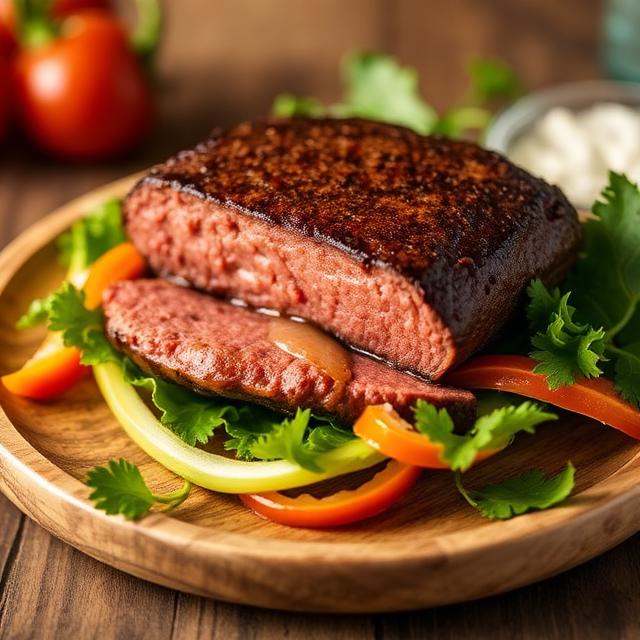
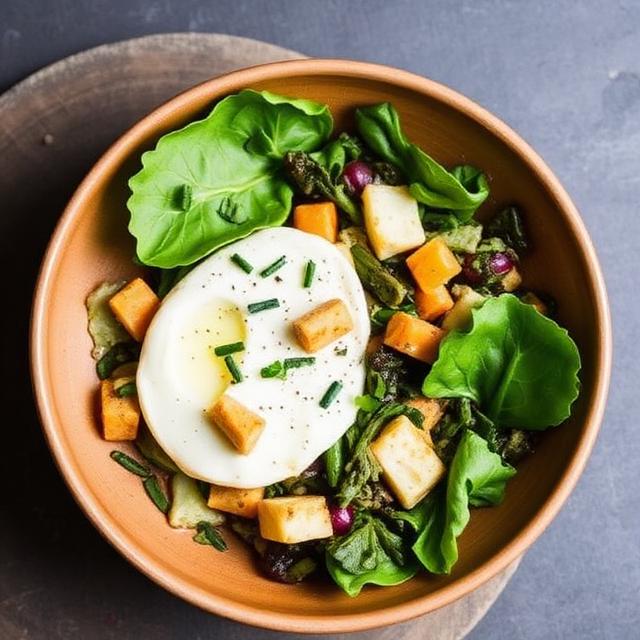
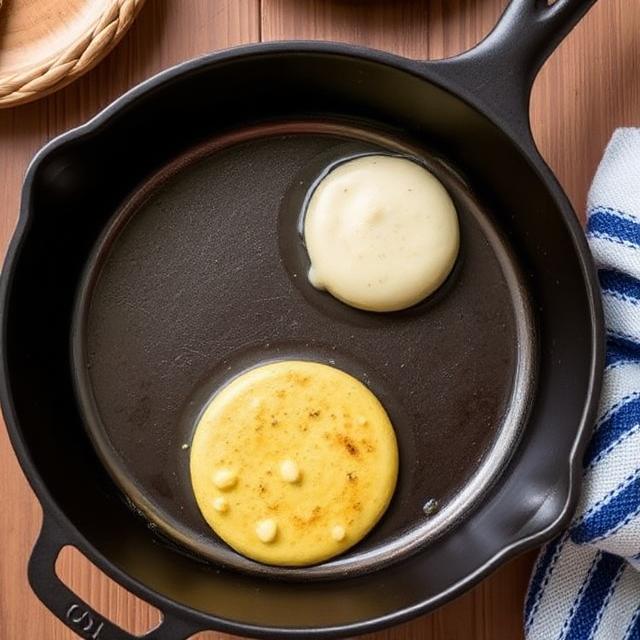
Some texture problems come from preparation. Fried food loses its appeal when steam turns the coating limp. Pasta can move from tender to soft and swollen in only a few minutes. Overcooked meat becomes dry, but certain cuts become rubbery when cooked badly in the opposite direction. Sauces can split or feel grainy when ingredients do not combine correctly. Other reactions are tied to the ingredient itself. Oysters, okra, mushrooms, tapioca pearls, fat on meat, and runny eggs all have loyal fans and equally committed opponents.
Expectations make the reaction stronger. A crunchy element in a soft dish may be welcome when it is intentional, but biting into an eggshell fragment or a hard seed feels alarming. A piece of bread meant to be crisp is disappointing when wet, while a cake meant to be moist is disappointing when dry. Temperature changes texture too: melted cheese can be stretchy and satisfying when hot, then become tough as it cools. Leftovers often fail not because the flavor changed, but because the original texture cannot be recreated.
Pick the texture flaw that is hardest for you to overlook. Assume the meal tastes good otherwise and cannot simply be corrected with another minute in the oven. In the comments, name the food that best represents your choice. Bonus points for admitting a texture you hated as a child but learned to enjoy later—or one popular food you still cannot understand no matter how many times people insist it was prepared incorrectly.