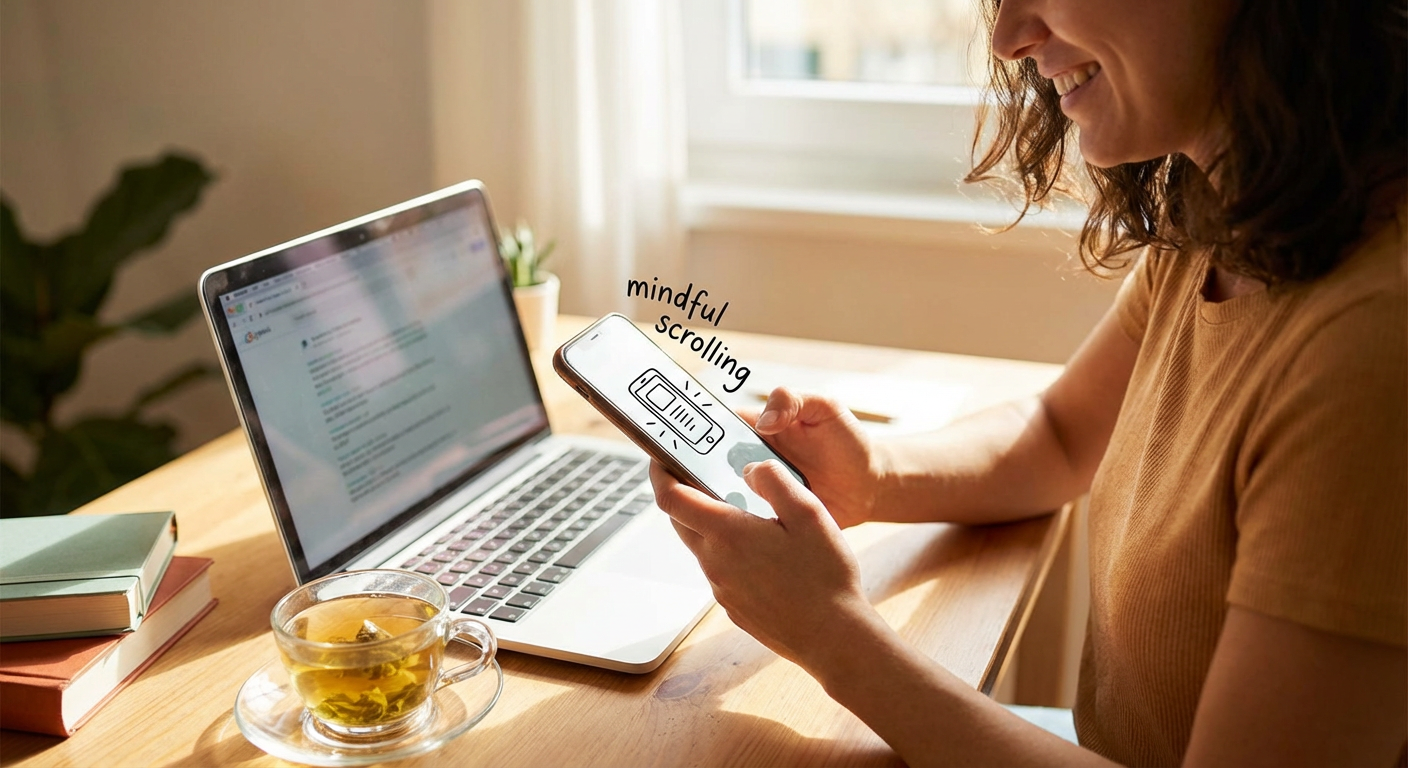
Social media has quietly transformed from a simple communication tool into a constant presence woven into daily life. It’s where news breaks first, friendships are maintained, opinions are shaped, trends are born, and identities are performed. For many people, checking social media is the first thing they do in the morning and the last thing they do at night—often without consciously deciding to. This isn’t necessarily a failure of self-control; it’s the result of platforms designed to be engaging, fast, and emotionally stimulating.
The conversation around social media is usually framed in extremes. On one side, it’s praised as a space of opportunity: a place to learn new skills, build communities, express creativity, grow a business, or stay connected across distances. On the other side, it’s criticized for destroying attention spans, fueling comparison, spreading misinformation, and harming mental health. Most people live somewhere in between these narratives—aware that social media is useful, yet sensing that their relationship with it isn’t entirely healthy.
What makes social media particularly complex is that it doesn’t demand our attention loudly. It seeps into spare moments: while waiting, eating, resting, or feeling bored. Over time, these small moments add up, subtly reshaping how we think, focus, and relate to ourselves. Many users don’t feel “addicted” in the dramatic sense, yet still feel distracted, mentally cluttered, or oddly unsatisfied after long scrolling sessions. The problem isn’t always how much time is spent online—it’s how fragmented, reactive, and unintentional that time becomes.
This guide is not about rejecting technology or promoting a digital detox fantasy that few people can realistically maintain. Social media is deeply embedded in modern work, culture, and relationships. For many, leaving it entirely would mean losing access to information, communities, or opportunities that genuinely matter. Instead, this tutorial focuses on something more practical and sustainable: intentional use. Learning how to engage with social media consciously, rather than automatically, is one of the most important digital skills of our time.
A healthier relationship with social media doesn’t mean using it less at all costs—it means using it with awareness, boundaries, and purpose. It means recognizing when platforms are adding value and when they are quietly draining energy, confidence, or time. It means understanding that algorithms are optimized for engagement, not well-being—and adjusting your behavior accordingly.
The steps that follow are designed to help you regain agency over your online habits without guilt or extremes. They are not rigid rules, but flexible tools you can adapt to your lifestyle, goals, and personality. Whether you’re a heavy user, a casual scroller, a creator, or someone who just feels “off” about their online habits, this guide aims to help you participate in internet culture without being consumed by it.