We live in an age where food arrives faster than messages. A few taps on a screen and a hot meal appears at the door, neatly packed, efficient, predictable. Convenience has never tasted so good. And yet, despite all this speed, something about food feels… thinner than it used to.
Cooking at home is slowly becoming an exception rather than the rule. For many people, it’s no longer part of daily life but an occasional activity reserved for weekends or special moments. The irony is that while food has become more accessible, our relationship with it has become more distant.
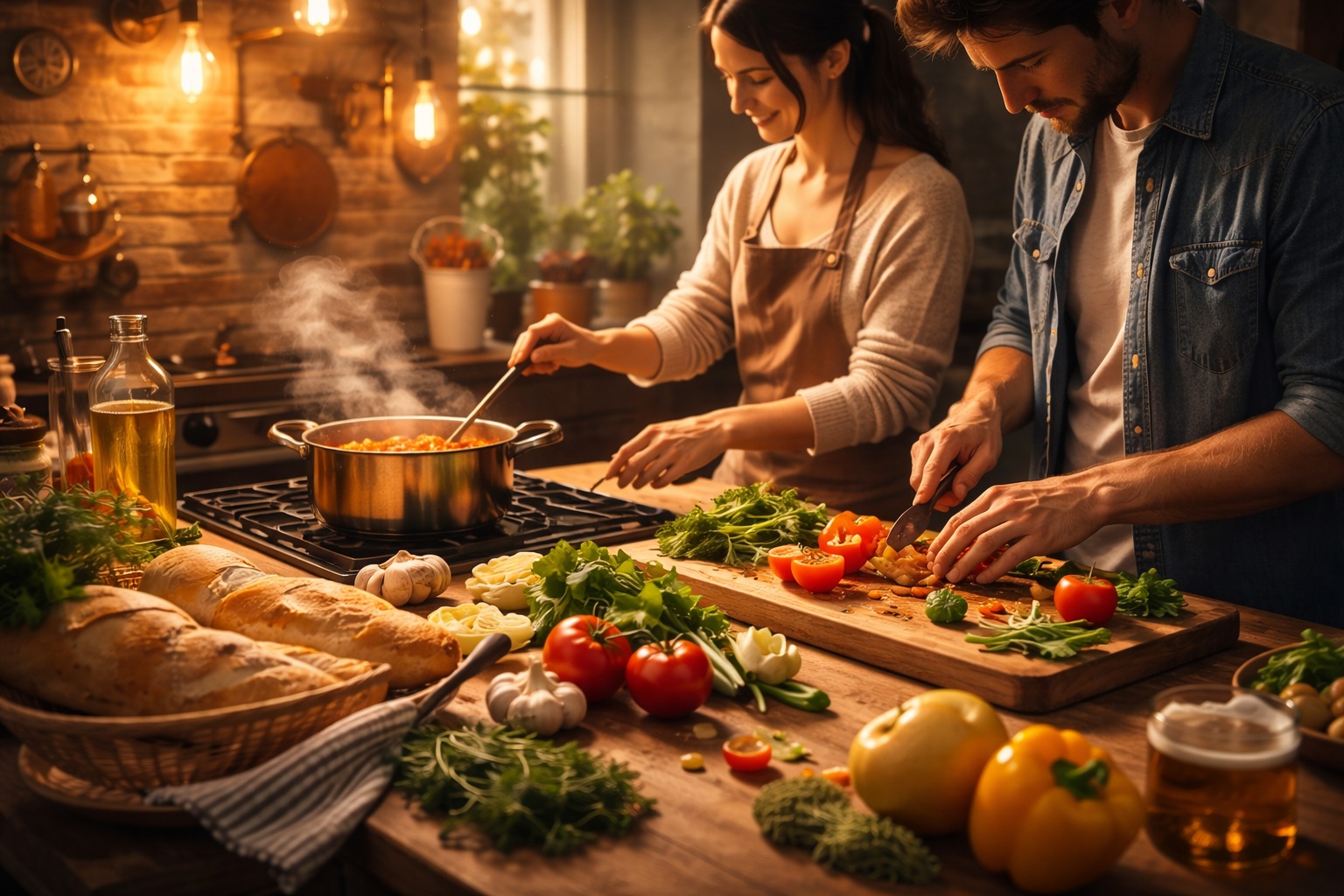
Homemade food is not just about nutrition. It’s about rhythm. Chopping vegetables, waiting for water to boil, tasting and adjusting—these small actions force us to slow down. They reconnect us with time, patience, and attention, things that modern life constantly tries to take away.
There’s also memory in cooking. Certain smells instantly transport us to childhood kitchens, family gatherings, or specific places. A simple dish can carry culture, identity, and emotion in a way no packaged meal ever could. Recipes are often passed down not because they’re perfect, but because they hold stories.
That doesn’t mean fast food or delivery is the enemy. They serve a purpose, especially in busy lives. The problem starts when convenience replaces intention. When eating becomes something we do automatically, without awareness, food loses its role as a shared human experience.
Interestingly, many people are now rediscovering cooking not out of necessity, but by choice. Sourdough baking, home brewing, slow cooking, and the revival of traditional recipes are quietly finding their way back into everyday life—shared online not as fleeting trends, but as gentle acts of resistance against speed and convenience culture.
In a world obsessed with optimization, shortcuts, and instant results, cooking remains beautifully inefficient. It asks for patience, attention, and a willingness to slow down. And maybe that’s exactly why it still matters.
Because sometimes, the most valuable ingredient isn’t time saved—but time deliberately spent, hands in the process, mind fully present.